1 min read
0 Comments
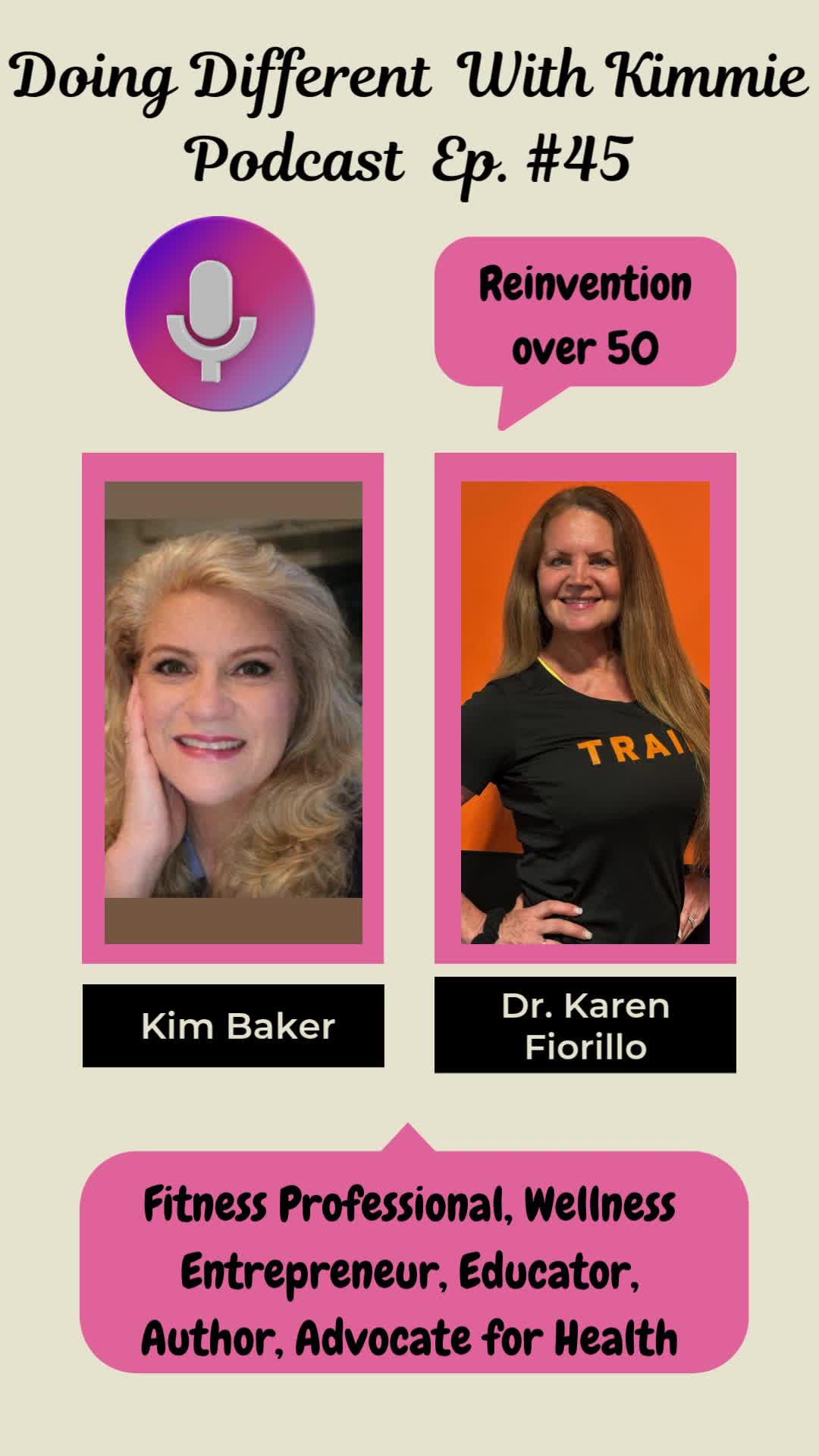
"Today, I'm excited to welcome Dr. Karen Fiorillo to the show. Dr. Karen is a lifelong educator, wellness advocate, entrepreneur, and fitness professional whose work sits at the intersection of healthy living, personal growth, and community impact. With more than 30 years of teaching experience and a doctorate in Educational Leadership in Technology, she's spent her career helping people learn, grow, and thrive.
"Today, I'm excited to welcome Dr. Karen Fiorillo to the show. Dr. Karen is a lifelong educator, wellness advocate, entrepreneur, and fitness professional whose work sits at the intersection of healthy living, personal growth, and community impact. With more than 30 years of teaching experience and a doctorate in Educational Leadership in Technology, she's spent her career helping people learn, grow, and thrive.
Beyond the classroom, Karen is a certified personal trainer, yoga and barre instructor, and a passionate champion for healthy aging. She teaches fitness programs for all ages, from pre-teens to older adults, making wellness both accessible and empowering for the communities she serves.
Karen is also the founder of Modern Nature, a vegan and cruelty-free beauty and wellness brand focused on scalp health, skincare, hair growth, and aging well from the inside out. Her commitment to education, wellness, and entrepreneurship has earned her recognition as a local business leader and one of Pennsylvania's top women entrepreneurs.
Whether she's teaching STEM, leading a fitness class, building a wellness business, or sharing practical tips for living a healthier life, Karen brings energy, expertise, and a genuine passion for helping others become their best selves. I'm thrilled to have her here today. Please join me in welcoming Dr. Karen Fiorillo."
Kimmie's Email:
FB:Kim Cyr Baker
FB groups:
Doing Different with Kimmie
IG:doingdifferentwithkimmie60
Website:www.doing-different.com
Karen's Links:
Website: https://www.karenfiorillo.com
Email: kfiorillo818@yahoo.com
Email: drkarenfiorillo@gmail.com
Brand ambassador site:https://karenfiorillo.mymonat.com
Barre/Yoga Studio: htts://www.wholebodyyogastudio.com
Fitness/Personal Training Website:https://www.crunch.com/locations/norristown
Social Media Platforms where you will find me:
Karen Santillo Fiorillo or kfiorillo818
Facebook: https://facebook.com/Karen.Santillo.Fiorillo
Alignable: https://www.alignable.com/biz/users/6353493
LinkedIn: @kfiorillo818
Instagram: @kfiorillo818
TikTok: @DrKarenFiorillo
Threads:@kfiorillo818X: kfiorillo818
YouTube:@karenfiorillo
Snapchat: kfiorillo818
More of Kimmie's FB Groups and Pages:
Authors and Voices that Encourage, Inspire and Transform Lives
A Different Kitchen with Kimmie
Kim's Herbal Garden
Daughter's of the King
My Moringa
Tea News for Tea Lovers
The Empty Nester; Parenting Adult Children with God's Grace
Painting with Purpose and Crafting Too
Everything Birthday
Warriors on Their Knees
Kimmie's FB Pages: Kim's Herbal Garden Teas and Home Remedies
Kimmie's Shared Shelf
Kim's Creations and Crafts
Welcome back to Doing Different with Kimmie, the space where we celebrate the brave, the curious, and the people who choose to step outside the box and rewrite what life looks like in their next chapter. Today, I’m sitting down with someone who embodies reinvention, courage, and creativity — author Bonnie Blaylock.
Bonnie is a storyteller who stepped boldly into her “Act 3,” permitting herself to pursue something she’d always wanted to do. Her books, her voice, and her journey are touching readers everywhere. And today, she’s sharing what “Doing Different” means to her. When Bonnie talks about Doing Different, she describes it as stepping out of expectations, throwing fear into the back seat, and choosing to live out loud.
Her turning point came during the empty‑nest stage — a moment when she finally allowed herself to take writing seriously and chase a long‑held dream. Bonnie believes nothing in life is wasted. The technical jobs she held in her 20s, the relationships she built, the grief she walked through, and the caregiving challenges she faced — all of it became material for her stories.
Her books aren’t autobiographical, but they’re deeply informed by her lived experience. She’s also read thousands of books, absorbing the craft of storytelling over a lifetime. Every chapter of her life has contributed to the writer she is today.
Friends, grab her books, and stay tuned for the giveaway. And remember — Doing Different isn’t about perfection. It’s about permission. Permission to grow, to shift, to reinvent, and to live out loud. If you want to follow Bonnie’s work or connect with her community, you can find her here:
Instagram: @blaybon
Facebook: @BonniePriebelBlaylock
Website: bonnieblaylock.com @gmail.com
Kimmie's Email: btelskcmb.kb
She often joins book clubs and author events, both virtually and in person; she is able to come speak in yours.
Book Giveaway: We are giving away two fictional history books to two separate winners. One for the first person who likes, shares, subscribes, and comments on this episode, and the second person to do the same will win another one of her books we discussed in our podcast.
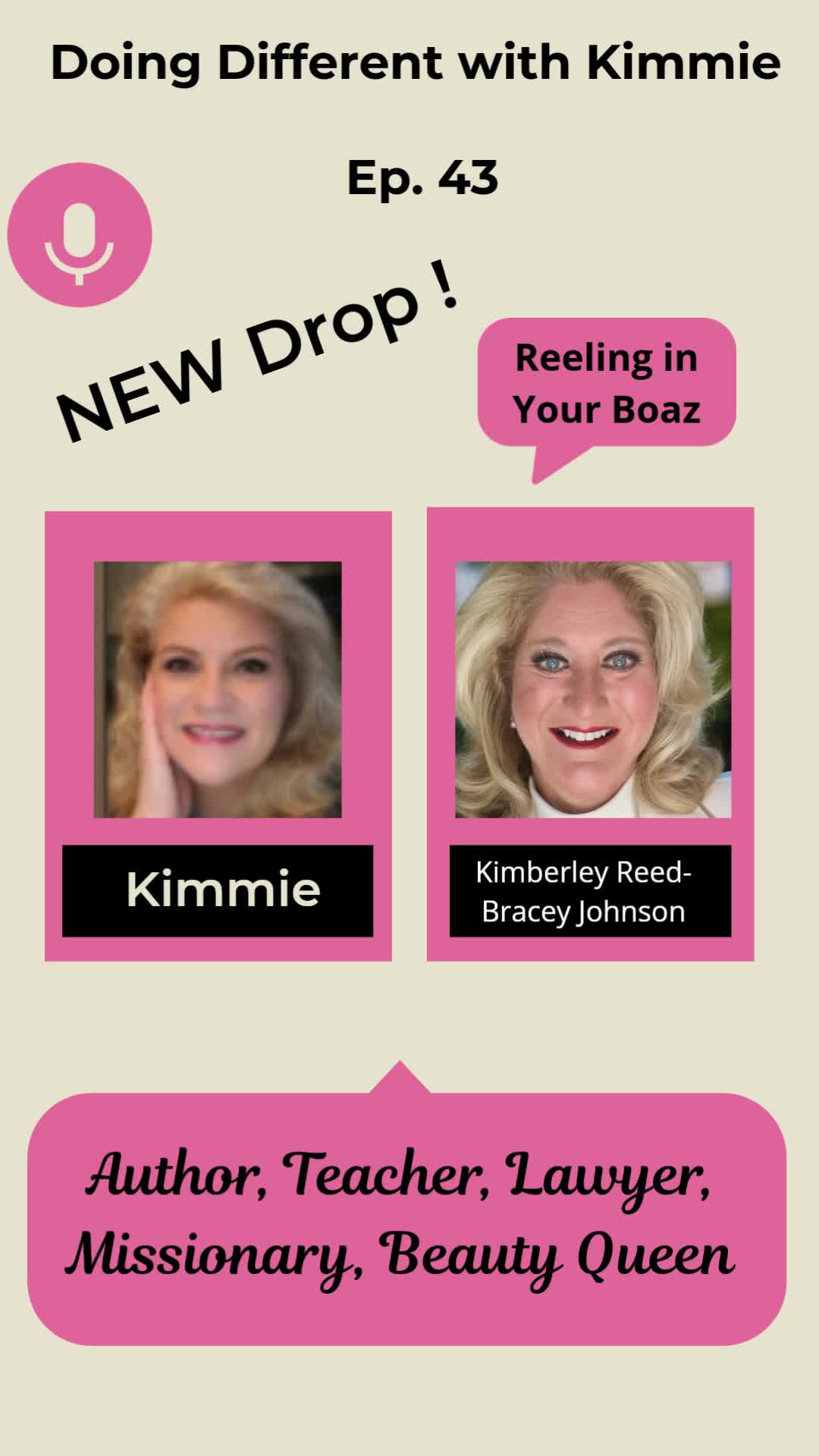
Friends, welcome back to Doing Different with Kimmie, the space where we celebrate the brave, the curious, and the women who refuse to let circumstance define their calling. Kimberley Reed‑Bracey Johnson is a lawyer, educator, missionary, 2024 Ms. Tennessee Senior America National Finalist, and People's Choice Crown winner and lifelong servant‑leader whose story is marked by grit, purpose, and relentless faith.
A former champion debater and actress, she began her career as a speech and theatre teacher before earning Tennessee Humanities Teacher of the Year in 1995. That honor opened the door for her to pursue her dream of becoming a lawyer — attending night law school while working full‑time, coaching debate, touring on weekends, and directing seven shows a year, ultimately graduating fifth in her class.
In 2009, a one‑week trip to Haiti transformed her life, leading her to adopt her “son,” build a thriving ministry including a K‑12 school, church, leadership academy, restaurant, Western Union station, and a small hotel for missionaries, and return to Haiti more than 50 times.
Kimberley’s life is a testament to service, perseverance, and answering every door God opens. Kimberley’s life is a tapestry of perseverance, calling, and compassion — and today, she’s here to share her journey of Doing Different.
Kimberley is generously donating 3 of your published works, signed and dated for my book giveaway, which include “Be the Donkey,” “Be the Donkey Bible Study,” and her 3rd book and newest book “Reeling in Your Boaz: A Mature Woman's Guide to Love” which was nominated for “Best Christian Book of the Year” by Red Letter Awards.
FB: Kimberley Reed-Bracey
Kimmie: btelskcmb.kb@gmail.com
Book Giveaway: Be the 1st and 2nd to like, share, subscribe, and comment on this episode to win Kimberley's books. There are two giveaways.
One winner will get two books: "Be The Donkey book and Bible study, and one winner will win Reeling In Your Boaz. Email me once you have commented, liked, shared, and subscribed, and I will get the books out to you.
Exahttp://www.youtube.com/@doingdifferentwithkimmiemple Text
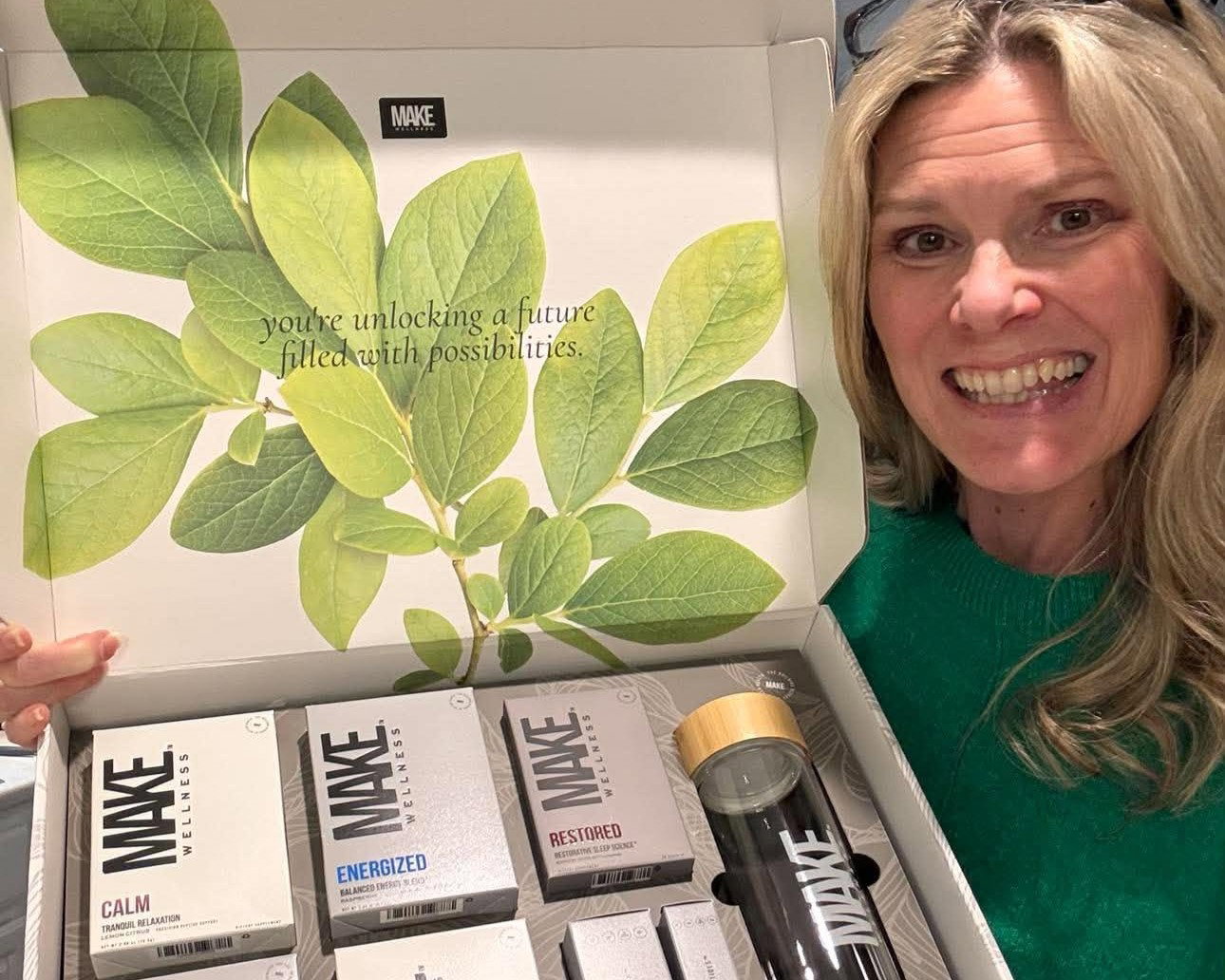
Becky walked through a season where her body was changing in ways she didn’t expect — physically, mentally, emotionally. A season that brought questions, frustration, and a deep sense of “this can’t be my new normal.” And instead of settling, she started searching. She started asking better questions. She started looking beyond the traditional answers women are often handed. That curiosity led her to natural peptide technology and eventually to MAKE — a discovery that opened a door she didn’t even know existed.
Welcome back to Doing Different with Kimmie, the podcast where women stop settling, start questioning, and choose a new way forward. This is the space where we talk about the moments that shake us awake, the seasons that force us to pivot, and the courage it takes to rewrite the story we thought we were supposed to live.
Today’s guest is a woman who embodies that courage in such a powerful way. She walked through a season of life that pushed her to reevaluate everything she thought she knew about her body, her wellness, and her future. And instead of accepting “this is just how it is,” she got curious. She got bold. And she found a new way forward — one that’s now helping women everywhere feel like themselves again.
I’m thrilled to welcome Becky Stratford to the show.
We’re starting today with the heart of this podcast — the idea of Doing Different. For Becky, this phrase isn’t just a concept. It’s a turning point. It’s that moment when you realize the old way isn’t working anymore, and you’re brave enough to admit it. It’s the moment you stop pushing through and start paying attention. It’s the moment you decide to choose yourself.
Becky walked through a season where her body was changing in ways she didn’t expect — physically, mentally, emotionally. A season that brought questions, frustration, and a deep sense of “this can’t be my new normal.” And instead of settling, she started searching. She started asking better questions. She started looking beyond the traditional answers women are often handed. That curiosity led her to natural peptide technology and eventually to MAKE — a discovery that opened a door she didn’t even know existed. It wasn’t just a product. It was a turning point. It was the moment she realized her story wasn’t ending… it was shifting. And that shift didn’t stop with her. It became a mission.
Becky’s personal transformation became the foundation of the work she does today — helping women feel informed, empowered, hopeful, and connected to their bodies again.
She helps women understand they don’t have to settle for feeling depleted or unlike themselves. Helping women see possibility again. As she continues this work, Becky’s vision is expanding. Over the next few years, she’s committed to helping more women navigate menopause with confidence, clarity, and support — and to helping women step into greater financial independence as they do it. Her story is growing beyond her own transformation. It’s becoming a ripple effect — one woman’s courage inspiring another woman’s hope.
One of the most powerful parts of Becky’s journey is the impact her story has had on others. Her willingness to share her experience has permitted women to believe that change is possible for them too. It’s helped women feel seen, understood, and encouraged. And it’s reminded them that they are not broken — they are evolving.
Like all of us, Becky is still growing. She’s learning to ask for help. She’s learning to trust the process. She’s learning that she doesn’t have to have every step figured out before she takes the next one. And that honesty — that transparency — is exactly what makes her story so relatable.
Before we wrap today, Becky leaves a powerful encouragement for anyone listening who is in the messy middle of their own “different.” You don’t have to have the whole path figured out. You don’t have to know the ending. You just have to take the next step. Stay curious. Stay open. And believe that something different is possible. Don’t settle just because something has become your normal.
To connect with Becky, find her on Facebook as Becky Nutting Stratford, on Instagram at @BeckyStratford.fit, and on her website, linked in the show notes. She is also available for speaking engagements, both locally and with travel.
IG: BeckyStratford.fit
FB: Becky Nutting Stratford
$10 Promo Code Below
https://open.spotify.com/episode/4siEixOxjoehK6zbXhIDRn?si=78a11c41360b4a0c
Nicole Mulkey—a woman whose story reminds us that purpose often shows up in the quiet, unexpected places. Nicole once dreamed of politics in D.C., but life took a different turn. Marriage, a move to Texas, motherhood, and eventually a calling in education reshaped her entire path. Today, she pours her love of social studies and her heart for kids into the classroom, building her testimony through everyday moments.
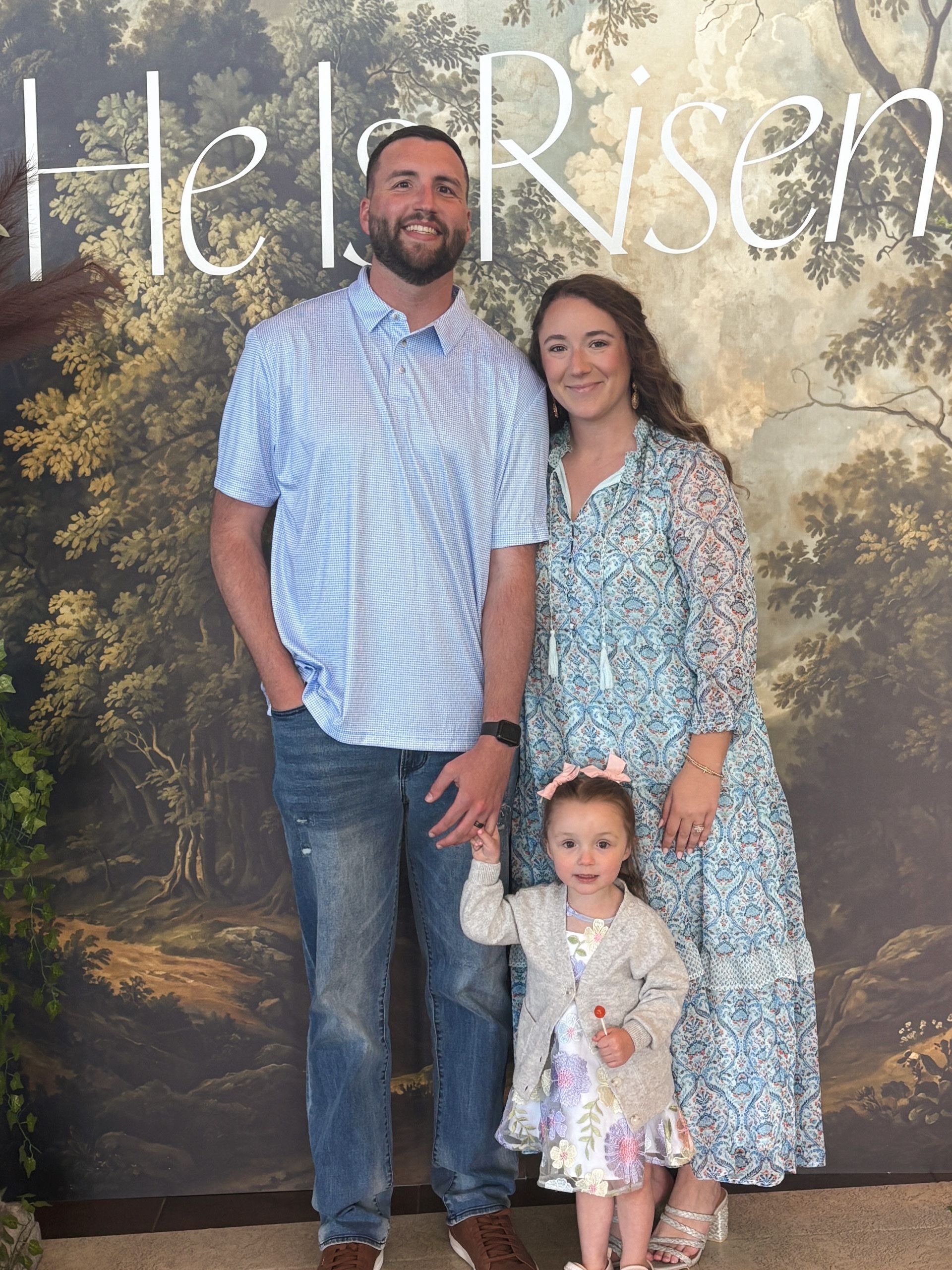
ExampIn this episode of Doing Different, I sit down with the thoughtful and intentional Nicole Mulkey—a woman whose story reminds us that purpose often shows up in the quiet, unexpected places. Nicole once dreamed of politics in D.C., but life took a different turn. Marriage, a move to Texas, motherhood, and eventually a calling in education reshaped her entire path. Today, she pours her love of social studies and her heart for kids into the classroom, building her testimony through everyday moments. We talk about: • Choosing a different path than the one you planned •Finding purpose in home life, career, and faith • Learning to release control •How God meets us in the middle of our “different” • Her goals for the next few years—family, leadership, and creating a home she loves Nicole shares one of the most grounding truths: “I’m a picture of God leaving the 99 for me, the 1.” If you’re navigating your own “different” right now, this conversation will steady you, encourage you, and remind you that you don’t have to have the whole picture—just the next step. ✨ Connect with Nicole:@_nicolefrances ✨ Subscribe for more conversations that help you do life differently. Kimmie's Website: www.doing-different.com FACEBOOK: Doing Different with Kimmie IG: Doing Different with Kimmie60 YouTube: @doing different with Kimmiele Text
I’m honored to welcome the founder of Engel Advocacy, Jessica Engel — a woman dedicated to strengthening families, improving communication, and helping others feel confident even when the systems around them feel overwhelming.Core Areas of Expertise: • IEP & 504 Advocacy • Parenting & Co-Parenting Programs • Guardian ad Litem Services • Trauma-Informed Guidance • Court-Ready Reports & Advocacy • Benefits & Resource NavigationChildren and families navigating education systems, court involvement, and crisis situations deserve more than confusion—they deserve clarity, advocacy, and results.
https://youtu.be/dAbnzPw10OY?si=PMTKZ7GPIDj2otxx
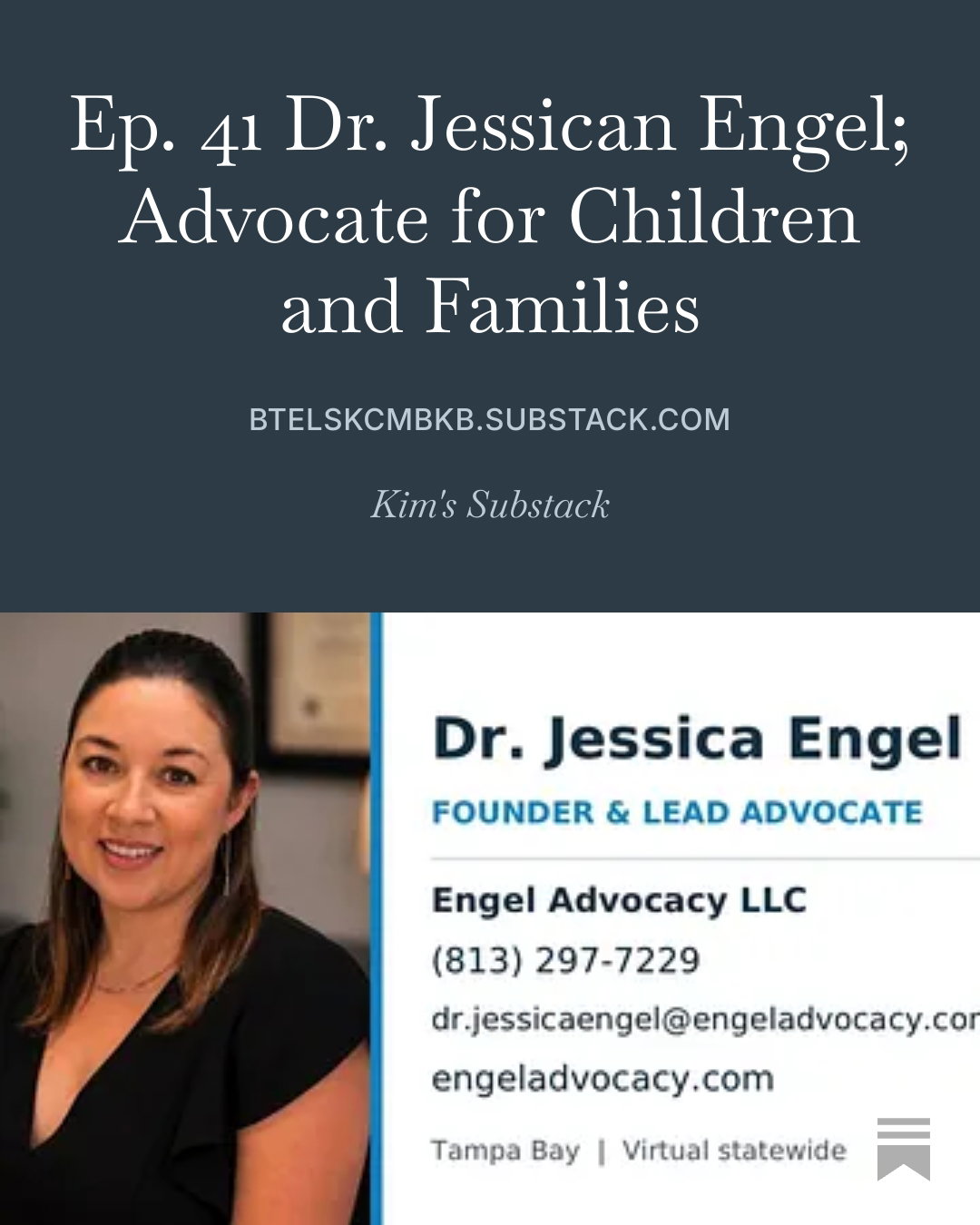
Welcome back to Doing Different, the space where we explore the stories, pivots, and brave choices that shape who we become. Today’s guest is someone whose work is deeply personal — not because she chose it from a distance, but because she’s lived inside the systems she now helps families navigate. She’s an advocate, a guide, and a voice for children who deserve to feel empowered and heard. Her journey has been shaped by real experiences, real complexity, and a real commitment to empathy over judgment.
I’m honored to welcome the founder of Engel Advocacy, Jessica Engel — a woman dedicated to strengthening families, improving communication, and helping others feel confident even when the systems around them feel overwhelming.
Core Areas of Expertise: • IEP & 504 Advocacy • Parenting & Co-Parenting Programs • Guardian ad Litem Services • Trauma-Informed Guidance • Court-Ready Reports & Advocacy • Benefits & Resource Navigation. Children and families navigating education systems, court involvement, and crisis situations deserve more than confusion—they deserve clarity, advocacy, and results.
Dr. Engel provides trauma-informed, solution-focused support to families facing complex challenges. With a PhD in Psychology and extensive experience in child welfare, family systems, and crisis intervention, her work centers on ensuring that children’s voices are not only heard—but protected.
Her professional background includes serving as a Guardian ad Litem in Florida since 2016, along with advanced training in trauma, adoption competency, and crisis response. She specializes in bridging the gap between families and systems that often feel overwhelming—whether in schools, courtrooms, or community services.
Website: EngelAdvocacy.com
IG: jjengel18
LinkedIn: Jessica Engel, PhD
@PlayMorePods #PodcastsOnAmazonMusic
In The Middle Of Estrangement

On a cold Sunday afternoon, Mara sat in the back pew of her local church, the kind of seat you choose when you need to leave quickly if your tears get too loud. The pastor was preaching about prodigals, about homecoming, about the father who ran down the road. Mara tried to listen, but the story landed on her chest like a stone. Her adult son, Isaiah, had not come home. He had not called. He had not answered. He had sent one text six months earlier, a sentence that ended their relationship without a conversation. “I need space, so please do not contact me,” Mara remembered staring at the screen until her eyes blurred. She had replied too quickly, too many times, with too many words. She apologized for things she was not sure she had done. She promised therapy, change, silence, whatever he needed. Then she stopped when she realized every message made her feel both desperate and guilty, like she was pleading for oxygen while being told she was the reason the air was gone.
That Sunday, she watched other families file in. Adult children, grandchildren, laughing in the aisle. She tried to worship, but her mind kept circling a question that felt like a blade. “If God is a Father, why does this father and mother pain feel like it is killing me?” After the service, she stepped into the hallway where the coffee smelled like normal life. A woman from her small group found her with red eyes and offered a hug. Mara whispered, “I do not even know who I am without my child speaking to me.” The woman did not offer a quick fix. She said, “I will sit with you. And I believe God will meet you in this.” That was not the end of Mara’s story. It was the beginning of her healing. Not a neat healing, not a fast healing, but a faith-rooted healing that held both grief and hope at the same time.
When estrangement breaks you, what is actually happening inside?
Adult child estrangement is not only a relational rupture. It can become a nervous system event, a spiritual crisis, and a profound identity injury. Many parents describe it as a death that keeps happening, because the person is alive, but the relationship you knew is gone. You can grieve without receiving casseroles, condolence cards, or the social permission to collapse. Estrangement also tends to rewrite your internal story. Parents often ask, “Was I a bad parent?” even when the situation is complex. You may replay decades in your mind, searching for the one wrong moment that caused everything. You may feel shame at church, at family gatherings, and even in prayer, as if God is disappointed in you. If this is you, let this be said plainly. The intensity of your pain is not proof you are weak. It is proof you love. And love, when severed, bleeds.
A faith-based path begins with telling the truth.
A faith-based path to healing does not start with pretending you are fine. It starts with truth. Scripture is filled with people who spoke their pain out loud. Lament is not a lack of faith; it is faith refusing to be fake. If you feel broken, name it. If you feel angry, name it. If you feel numb, name it. Healing does not require you to hide your emotions from God. He already knows. The invitation is to bring your real self into His presence. Consider making your first healing practice a simple daily truth prayer. Not polished, not performative. “God, I feel rejected; God, I do not understand; God, I miss my child; God, I need help getting through today.”This is not negativity. It is relationship. Faith grows in honesty.
Why estrangement can distort your image of God.
When your adult child cuts off contact, it can quietly reshape how you interpret God’s posture toward you. If your child sees you as unsafe, you may start to wonder if God sees you the same way. If your child refuses your love, you may assume God refuses you too. If your child will not answer, you may interpret silence in prayer as punishment. This is one of the hidden injuries of estrangement. It can attach itself to your theology. You may still believe the right things, but you feel them as if they are no longer for you. A faith-based path to healing includes separating your child’s decision from God’s character. Your child’s silence is not a divine verdict. Your child’s pain, even if it is real, is not the same thing as God’s condemnation. When the enemy cannot destroy your faith with obvious unbelief, he often tries a quieter tactic. He tries to convince you that you are disqualified from being loved.
Grief, guilt, and the difference between responsibility and blame.
Many estranged parents live in a constant loop of guilt. Some guilt is appropriate. Parents are not perfect, and sometimes adult children distance themselves after real harm. But many parents are also carrying blame for things that were never theirs to carry. One healing step is learning to differentiate responsibility from blame. Responsibility says, “I will own what is mine, repent where needed, and grow.”Blame says, “Everything is my fault, I am beyond hope, I deserve abandonment.”Responsibility leads to repentance and repair. Blame leads to shame and self-punishment. Shame can feel spiritual because it looks like remorse, but it often produces isolation, self-hatred, and despair. Those are not the fruits God desires for you. If you are unsure what is yours to own, ask God for clarity, not accusation. A helpful prayer is, “Lord, show me what is mine, and free me from what is not.” Start with the Psalms, a script for the shattered heart. If you do not know how to pray when you are wrecked, borrow words from Scripture. The Psalms provide language for sorrow, confusion, and longing. They are filled with questions, tears, and sometimes even anger. And they are still worship. You might choose one psalm a day and read it slowly, letting a sentence or phrase become your prayer. You do not need a study guide. You need space. Read a psalm out loud. Underline a line that matches your emotion. Tell God, “This is where I am today.”End with one sentence of surrender, such as, “Hold me.”This practice is especially helpful when estrangement makes you feel spiritually stuck. Lament keeps your heart connected to God even when you do not feel “strong.”
What to do with the obsessive thoughts, the replay, the mental courtroom?
Estrangement often creates a mental courtroom. You replay conversations. You gather evidence. You rehearse what you would say if you ever get the chance. You write speeches in your head, and you lose hours to imagined debates. This is understandable, because your brain is trying to regain control of something you cannot control. A faith-based approach does not shame you for these thoughts. It gives you a way to respond to them with compassion and discipline.
Try a three-step interruption practice.
Name it. “I am in the courtroom again.”Ground it. Feel your feet, breathe slowly, unclench your hands. Redirect it. Offer a short prayer, “God, I release what I cannot fix today.”Over time, this retrains your attention. The goal is not to erase your love or your longing. The goal is to stop letting rumination steal your entire life.
Boundaries are not to punish, but to protect your healing.
When you are desperate for contact, it is easy to abandon your own boundaries. You may send message after message, check social media compulsively, or ask mutual friends for updates that leave you feeling worse. You may also tolerate disrespect from other family members who offer advice that cuts rather than heals. Boundaries are not a lack of love. They are a form of stewardship. They protect your mind, your heart, and your capacity to show up as a grounded person if reconciliation becomes possible. Examples of healing boundaries may include:
Choosing one day a week to check for messages, instead of checking all day. Muting social media that triggers you into panic or comparison. Asking friends not to deliver rumors or partial information. Declining conversations where you are blamed, mocked, or pressured to “get over it. ”Boundaries are also spiritual. They help you stay in truth. They keep you from confusing urgency with faith.
How to reach out without pushing: a posture of humility and safety.
Many parents ask, “Should I contact my child?” There is no one-size-fits-all answer. Safety matters. The history matters. The child’s stated needs matter. If your adult child asked for no contact, honoring that request may be a first step of respect, especially if your previous pattern was to pursue hard when conflict happened. If you do decide to send a message, consider making it brief, non-defensive, and focused on your child’s agency. Avoid explaining, debating, or listing your sacrifices. A letter can become a pressure event. A text can become a spark. The goal is to communicate safety, not to force resolution. A simple message might sound like: “I respect your request for space. I am here if you ever want to talk.” “I am sorry for the ways I hurt you. I am working on myself.” “No pressure to respond. I wish you peace.”Humility is powerful, but it must be sincere. If you do not yet understand your child’s complaints, you can still acknowledge impact. “I did not mean to” is not the same as “It did not hurt.”
If you are the one who caused harm, repentance is a doorway.
Some parents read an article like this and feel defensive, because they know they did the best they could. Others feel pierced, because they recognize patterns they wish they had changed earlier. If you caused harm, whether through anger, control, addiction, neglect, or religious harshness, repentance is not a word to fear. It is a doorway back to integrity.
Repentance is more than an apology. It is a change in direction. It is the long obedience of becoming safe. Even if your adult child never returns, repentance still matters, because it restores your alignment with God and your own conscience.
If repentance is part of your path, consider these steps:
Confess specifically to God, naming behaviors without excuses. Seek counsel from a pastor or a licensed therapist who understands family systems. Make amends where possible, without demanding forgiveness. Practice new skills consistently, especially emotional regulation and listening. God does not waste a broken heart. He can use your sorrow to form wisdom and gentleness that will bless others, and possibly create conditions for future reconciliation.
If you did not cause harm, release the false accusation.
Other parents are estranged for reasons that are confusing, unfair, or entangled in an adult child’s struggles, a partner’s influence, mental health issues, or family loyalty binds. Sometimes estrangement is a boundary. Sometimes it is a weapon. Sometimes it is an escape from accountability. Sometimes it is a tragic misunderstanding that hardens over time. Even in these situations, parents often carry toxic shame because it feels safer to blame yourself than to accept the reality that you cannot control another adult.
Self-blame offers an illusion of power. “If it is my fault, I can fix it.” But that illusion collapses into despair when you cannot fix it.
A faith-based path to healing includes releasing the false accusation. You are allowed to say, “I did not do what I am being accused of,” while still staying open to growth where you truly need it. Justice and humility can coexist.
You can hold your head up without hardening your heart.
Forgiveness: what it is and what it is not
In Christian spaces, parents are sometimes pressured to forgive quickly. Forgiveness is central to the gospel, but it is often misunderstood. Forgiveness is not denial. It is not calling evil good. It is not excusing abusive behavior. It is not forcing reconciliation without trust. Forgiveness is a decision to release revenge, to surrender the right to punish, and to place ultimate judgment in God’s hands. It may be a repeated decision, especially when new waves of grief hit. You can forgive and still be heartbroken. You can forgive and still set boundaries. You can forgive and still pursue wisdom about what to do next.
If you are not ready, you can pray toward willingness. “God, make me willing to become willing.” That is a real prayer.
Reconciliation is a hope, not a demand.
Many parents believe, “If I heal, my child will come back.” Sometimes that happens. Sometimes it does not. A faith-based path does not promise outcomes God has not promised. What it does promise is that God can heal you, strengthen you, and restore your capacity to love well, regardless of what your adult child chooses. Reconciliation requires two people willing to engage. It also requires safety, truth, and time. If reconciliation becomes possible, go slowly. Do not rush into the old roles. Learn to build a new relationship as adults. You may need mediated conversations, family therapy, or structured agreements about communication. It is okay to hope. Hope is not foolish. But hope must be held with open hands, not clenched fists.
What to do with the spiritual questions that feel dangerous?
Estrangement can trigger questions you never allowed yourself to ask. “Why would God allow this?” “Did God punish me?” “If God answers prayer, why not this?” “How do I trust again?” These are not forbidden questions. They are human questions. The Bible contains similar cries. God is not fragile. He is not threatened by your lament. In fact, bringing your questions to God can be an act of trust, because you are choosing relationship over retreat. If you feel stuck in anger at God, do not isolate. Find a mature believer who can hold space without offering shallow explanations. Avoid spiritual platitudes that minimize your pain.
Practical faith habits that support healing.
Healing is spiritual, emotional, and physical. Faith practices are not meant to bypass your nervous system. They are meant to form you gently over time. Here are several practices that many estranged parents find stabilizing.
1) A daily anchor prayer
Pick one short prayer you can repeat when panic rises. For example, “Jesus, be near,” or “Lord, give me today’s bread.” The goal is not to feel instantly better. The goal is to reorient toward presence.
2) Breath prayer with Scripture
On the inhale, pray a phrase like “The Lord is my shepherd.” On the exhale, pray “I shall not want.” This practice helps your body and spirit settle together.
3) A grief journal that includes God
Write letters you do not send. Write what you wish you could say. Then write a response you believe God might speak, grounded in Scripture and His character. This is not pretending you heard an audible voice. It is letting truth answer fear.
4) Sabbath from searching
Choose a day or an evening when you do not research estrangement content, check social media, or ask for updates. Rest is an act of faith. It says, “God, I am not the savior.”
5) Communion as personal comfort
If your tradition allows, receive communion with the specific grief of estrangement in mind. Let it remind you that you are not abandoned. Christ entered rejection and understands the ache of being misunderstood.
The role of community: you need safe people, not advice machines.
Estrangement can make you withdraw from church because you are tired of smiling, tired of explaining, and tired of well-meaning comments that sting. You may hear: “They will come around.” "Just pray harder.” "Honor your child’s feelings, even if they are wrong.” “You must have done something. You deserve better than that. You need safe people who can listen, pray, and stay present over time. Consider seeking a small group, a grief group, or a mature mentor couple. If your church does not have a space for this, you can still ask one or two trusted people to become your support team.
What you need from community is often simple:
Someone who remembers important dates that hurt, like birthdays and holidays. Someone who will pray without trying to control the outcome. Someone who can sit in silence with you. Someone who will remind you of who you are beyond this loss. At her local church, the most healing words Mara heard that year were not a sermon line. They were spoken by a friend who said, “You belong here, even in this.”
Professional support can be faithful, not faithless.
Some parents hesitate to seek therapy because they fear it signals spiritual failure. But God often heals through wise, trained helpers. A licensed therapist, especially one familiar with family systems and trauma, can help you untangle patterns, grieve cleanly, and regulate the anxiety that estrangement creates. Look for someone who respects your faith and who can help you hold complexity. If you have a history of abuse, addiction, or intense conflict, specialized counseling can also guide you toward accountability and healthy change.
If you are experiencing severe depression, panic attacks, or thoughts of self-harm, seek immediate professional help and local crisis resources. Reaching out is not weakness. It is courage.
How to survive the landmines, holidays, weddings, graduations, and silence.
Estrangement has predictable seasons of pain. Holidays. Mother’s Day. Father’s Day. Your child’s birthday. Your birthday. Family weddings. Church baby dedications where you expected to be a grandparent by now. Prepare for these days with a plan. Do not wait until the wave hits. Name the day. Put it on the calendar, acknowledge it will be hard. Light a candle, take a prayer walk, write a letter you do not send. Schedule support. Ask a friend to check in, plan a meal with someone safe. Limit triggers. Reduce social media and comparison content that day. Do one life-giving thing. Something that reminds you you are still alive, such as volunteering, gardening, or worship music. Ritual does not erase grief. It gives grief a container so it does not consume you whole.
When anger shows up, let it become information, not destruction.
Anger is common in estrangement. You may be angry at your child, at their spouse, at a therapist who influenced them, at yourself, at your ex, at the church, at God. Anger can frighten gentle people. But anger is often a guardian emotion. It points to what you value and where you feel powerless. Faith-based healing does not demand you suppress anger. It invites you to process it with God and with wise support, so it does not turn into bitterness or self-harm.
Healthy anger processing might include:
Honest prayer, including lament. Physical movement, such as walking or strength training. Writing what you wish you could say, then pausing before sending anything. Talking with a counselor or pastor who can help you discern next steps. Anger handled well can become courage. Courage to change. Courage to set boundaries. Courage to love without begging.
Rebuilding identity: you are more than this relationship.
One of the most shattering aspects of adult child estrangement is how it attacks your identity. Many parents built their adult life around raising children. When a child leaves and returns for holidays, the transition is bittersweet. When a child leaves and cuts you off, it can feel like you lost your job, your role, your meaning, and your future at once. A faith-based path to healing includes rebuilding identity on a foundation that cannot be taken away. Your identity is not “rejected, parent.” Your identity is beloved by God. Your identity is still a person with gifts, callings, and relationships. You can be a good parent and still be estranged. You can be imperfect and still be worthy of love. You can be in pain and still have purpose. Try asking two identity questions in prayer and journaling. “God, who am I to You today?” “God, what is one small assignment of love You have for me this week?” Small assignments matter. A note to a friend. A meal for a neighbor. A prayer for someone else’s child. These do not replace your child. But they keep your love from stagnating into despair.
Holding hope and releasing control: The tension that matures faith.
Parents often swing between two extremes. One extreme is control, constant strategizing to get the relationship back. The other extreme is shutdown, deciding you will never hope again because hope hurts too much. Both extremes are understandable. Neither is the final destination. Mature faith learns to hold hope without control. Hope says, “God can do anything.” Surrender says, “I cannot force anything.” In between is trust, the slow decision to place what you love into God’s hands again and again. Sometimes trust looks like praying for your child’s well-being even when you feel wounded. Sometimes trust looks like refraining from a message you know is fueled by panic. Sometimes trust looks like getting out of bed and going to work, because faithfulness is not always dramatic.
A prayer for the parent who feels shattered.
God, You see the empty space at my table and the ache in my chest. You know the messages I want to send and the memories I cannot stop replaying. I confess I feel powerless. I confess I feel ashamed. I confess I am afraid this will never change.
Meet me here. Give me the grace to own what is mine and release what is not. Teach me how to love without control and grieve without losing my faith. Protect my mind from despair. Surround me with safe people. Provide daily bread for this season. And hold my child, wherever they are, with mercy.
Make me whole, even if my relationship is not yet restored. Amen.
Mara’s next steps: a realistic picture of healing.
Mara did not wake up one morning “over it.” Her healing looked like small, faithful steps stacked over months. She stopped sending long texts and began writing letters in a journal. She joined a support group where other parents understood the unique grief of estrangement. She met with a Christian therapist who helped her recognize her patterns, especially how anxiety made her over-explain and over-pursue. She also rebuilt her spiritual life with gentleness. Some days she could not sing. So she listened. Some days she could not read long passages. So she read a psalm and sat in silence. She stopped treating her tears as a spiritual problem and started treating them as part of prayer.
On Isaiah’s birthday, she lit a candle and spoke a blessing out loud, even though he was not there to hear it. She asked God to protect him and to soften both of their hearts. Then she went to dinner with a friend from church. The grief was still present, but it no longer owned the entire day. A year later, Isaiah did not return home. But Mara was no longer collapsing daily. She was living again. Her laughter came back in small bursts. She started mentoring younger women. She volunteered with a local food pantry. She rediscovered that she was still a person, not only a waiting mother. Then, on an ordinary Thursday, she received a short email. “I am not ready to talk much. But I hope you are doing okay.” Mara cried, not because everything was fixed, but because she had learned how to breathe without forcing an ending. She replied simply, with respect and warmth. No speeches. No pressure. Just safety. Healing had prepared her for that moment.
If reconciliation never comes, is healing still possible?
Yes. Healing is possible even without reconciliation. This is a hard truth, because it means accepting a kind of unresolved sorrow. But it is also a freeing truth, because it means your life is not on pause until someone else changes. In the Christian story, resurrection does not erase scars. Christ’s risen body still bore marks. Some losses in life leave marks. But marks are not the same as open wounds. God can close the wound while allowing the scar to become part of your testimony, a reminder of what you survived and how He sustained you. If reconciliation never comes, you can still become more grounded, more mature, more peaceful, and more loving. You can still enjoy friendships. You can still serve. You can still delight in ordinary days. You can still experience God as Father, even if you carry the ache of parenting pain.
Gentle next steps you can take this week.
If you are reading this and you feel raw, choose only a few steps. You do not need to do everything at once. Healing is not a performance. Choose one psalm to read each day for seven days. Pick one safe person and tell them the truth of what you are carrying. Write a short prayer you can repeat when panic rises. Set one boundary that protects your mind, such as limiting social media checking. Schedule one appointment with a pastor, counselor, or support group. Do not measure your progress by whether your child reaches out. Measure your progress by whether you are becoming more steady, more honest, and more connected to God and to safe people.
A closing blessing for the estranged parent.
May God meet you in the middle of the night when you cannot sleep. May He steady your breathing when your mind spirals. May He give you wisdom for what to say and what not to say. May He heal the places in you that were formed by fear, control, or shame. May He protect your heart from bitterness and your mind from despair. May you learn to love your adult child with open hands, to honor boundaries without losing hope, and to find meaning again in your days. And may you experience, even in this unresolved place, that you are not alone.
At Doing Different with Kimmie, we believe healing can be real, even when the story is not finished. Your heartbreak does not disqualify you. It can become the very place where God teaches you to live, to breathe, and to love in a deeper way than you imagined.
My guest today embodies resilience and hope. She is a life coach, the creator of Widow Coaching, and a woman who has learned to create purpose, joy, and identity after deep loss. Her story is honest, brave and full of possibility. Kathy Selman is a speaker, educator, corporate trainer, life coach, and founder of Widow Coaching. For more than four decades, she has been passionate about helping people discover their God-given gifts, recognize possibilities they may not yet see, and become all they were created to be.
52 Original Quotes and Affirmations to inspire you and clarify your thoughts. Thought-provoking writing prompts to motivate you to act. Insightful poems to contemplate and find meaning in their message. Therapeutic coloring pages to relax your brain and reduce anxiety. '52 Adventures' Idea Board to ignite joy and purpose in your (mid) life. Read it Speak it Write it Color it
https://youtu.be/Hf8y0TeHArM?si=ASntXG5sAnYSSmxC
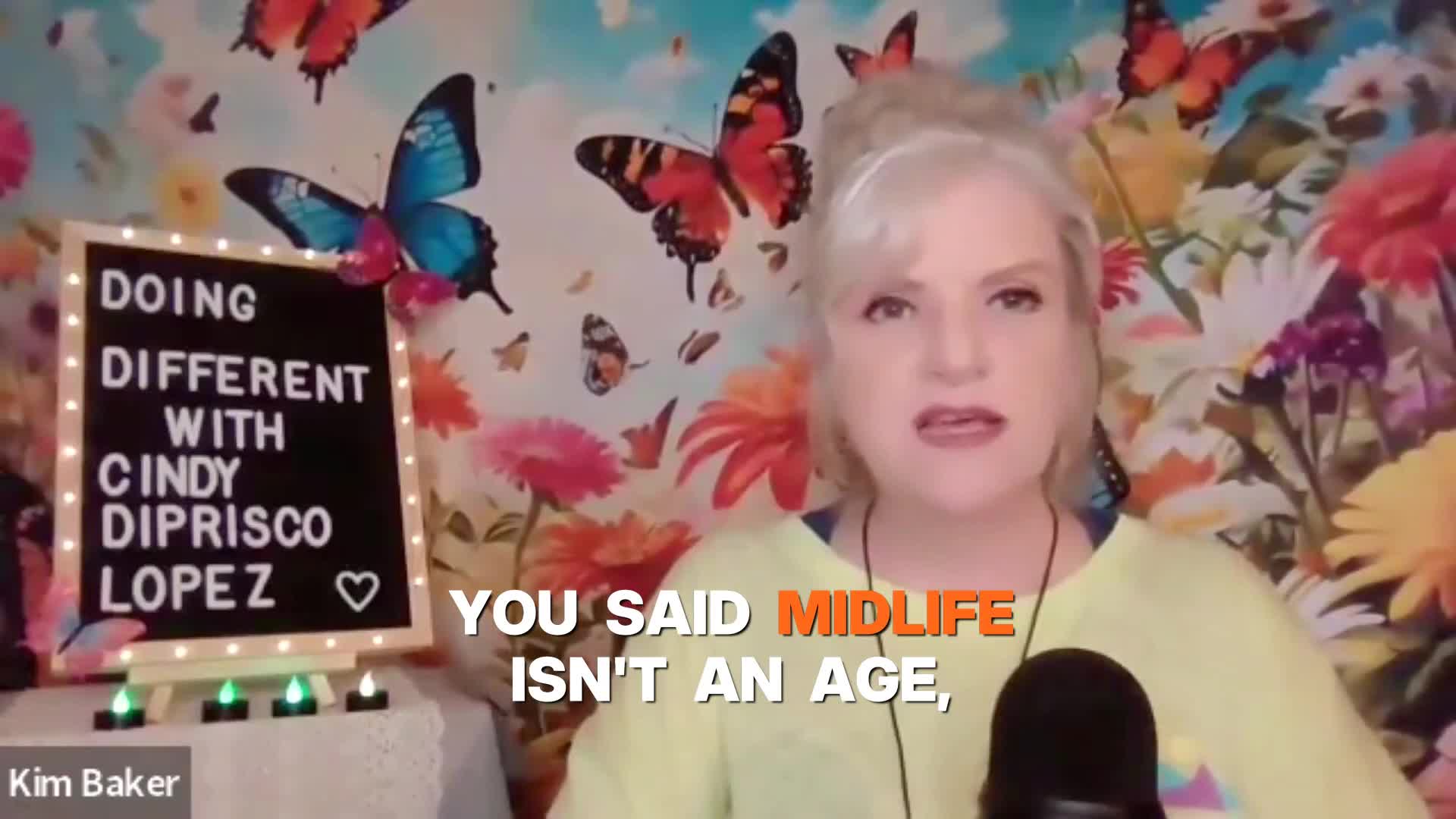
Welcome back to Doing Different with Kimmie, the podcast where we explore the stories of women who choose to rewrite the script, reclaim their voice, and step boldly into the next chapter of their lives. Today’s guest is someone who embodies that spirit beautifully — Cindy DiPrisco Lopez author of ‘When the Clock Strikes Midlife, it’s YOUR Time to Shine’ https://youtu.be/Hf8y0TeHArM
She’s a writer, blogger, journaling workshop leader, and a woman who decided that midlife wasn’t an ending… it was an invitation. She always was a late bloomer, so she feels midlife at 50 was just about right for her. Engulfed by her own midlife burnout and her chronic health issues from birth, she realized taking care of everyone else was stealing her health and her joy. Cindy has written 'When The Clock Strikes Midlife, it's YOUR Turn to Shine 'is an interactive weekly journal that will cultivate your midlife awakening with its inspiring and motivating exercises:
52 Original Quotes and Affirmations to inspire you and clarify your thoughts.
Thought-provoking writing prompts to motivate you to act.
Insightful poems to contemplate and find meaning in their message.
Therapeutic coloring pages to relax your brain and reduce anxiety.
'52 Adventures' Idea Board to ignite joy and purpose in your (mid) life.
Read it
Speak it
Write it
Color it
IG: Whentheclockstrikesmidlife
FB: Whentheclockstrikesmidlife
Web: Whentheclockstrikesmidlife.com
Amazon: Journal: When the Clock Strikes Midlife
Cindy's email: cindilo.0611@gmail.com
Kim's email: btelskcmb.kb@gmail.com
TO WIN THIS JOURNAL: Share, Like, Subscribe, Comment what you loved the most about the podcast interview, then EMAIL Cindy at the above email address.
Tell her which social media source you watched or listened to her episode on, and give her your address so she can send the book out to you.
FB: Doing Different with Kimmie
FB: Authors and Voices that Encourage, Inspire and Transform Lives
IG: doingdifferentwithkimmie60
Web: www.doing-different.com
Spotify: Doing Different with Kimmie
Learn the difference between false guilt and true conviction, then use practical tools to heal shame cycles, repair what matters, and set firm, kind boundaries.
Maya was halfway through folding laundry when her phone buzzed. It was a text from her mom, short and sharp, asking why Maya had not called back the night before. Maya stared at the screen, thumb hovering, heart already speeding up. She had been in bed by nine, exhausted after a week of deadlines and a doctor appointment she had been putting off. She had seen the missed call and thought, I will call tomorrow. Now her mind filled in the rest of the story without permission, She is disappointed. I am a bad daughter. I should have been available. I should have tried harder.
Within minutes, Maya was doing what she always did when that feeling arrived. She started negotiating with herself. She would cancel her Saturday plans and drive across town. She would bring groceries. She would apologize in a way that sounded convincing, not defensive. She would make sure her mom felt cared for, even if it meant Maya did not feel cared for.
Then something different happened. Maya’s partner, Jonah, walked past and saw her face. He did not ask what was wrong right away. He simply said, “You look like you are bracing for impact.” That sentence stopped her. Bracing for impact. That was exactly it. Maya realized she was reacting as if she had done something morally wrong, not as if she had missed a call.
Maya put the phone down and took a breath. She tried a question she had been practicing in therapy, “Is this guilt about my values, or is it about someone else’s expectations?”
That question is the doorway into the difference between false guilt and true conviction. At Doing Different, we talk often about the moment when you notice you are bracing, over explaining, or over compensating. Those are not just stress reactions. They can be signs that guilt is running the show, and not all guilt is created equal.
Why this distinction matters
Guilt can be helpful. It can guide you back to integrity, repair, and responsibility. It can keep relationships healthy by prompting you to acknowledge harm, make amends, and grow. But guilt can also be hijacked. It can be used to control, to silence, to keep you in roles that no longer fit, and to punish you for having needs.
False guilt tells you that you are wrong for having boundaries, preferences, limits, or a life that does not revolve around someone else. True conviction tells you that you violated your own values, and it invites you to make it right without self destruction.
When you learn to discern the two, you stop apologizing for existing. You also stop dismissing the real places where you do need to repair. Discernment leads to healing. Healing makes boundaries possible. Boundaries create room for relationships that are chosen, not coerced.
Definitions, what false guilt and true conviction are
False guilt is the uncomfortable feeling that you did something wrong when you did not violate your values or harm someone in a meaningful way. It often appears when you disappoint someone, say no, prioritize yourself, or refuse to meet an unreasonable demand. False guilt is frequently connected to conditioning, fear of rejection, trauma responses, or family systems where love was linked to compliance.
True conviction is the steady, clarifying awareness that you acted out of alignment with your values. It can involve guilt, but it is usually specific and proportionate to the situation. It points to a repairable action, not a defective identity. True conviction usually includes a desire to learn, apologize, make amends, and do better next time.
Some people prefer the word “healthy guilt” instead of “true conviction,” especially if “conviction” feels spiritual or heavy. Use the language that fits you. The key is that true conviction aligns with reality, values, and repair. False guilt aligns with fear, conditioning, and control.
How false guilt is formed
False guilt does not appear out of nowhere. It is often trained into us, sometimes subtly, sometimes explicitly.
Common roots of false guilt
False guilt thrives when you feel responsible for outcomes you cannot control, especially other people’s feelings, reactions, and life choices.
How true conviction is formed
True conviction develops when you have a clear internal moral compass. That compass can come from faith, philosophy, therapy, personal reflection, community accountability, or lived experience. It is not about being perfect. It is about being honest.
True conviction tends to show up after something concrete, like you lied, broke an agreement, spoke cruelly, neglected a responsibility you agreed to, or caused harm through carelessness. It can also show up when you realize you benefited from a system that harms others and you want to act more responsibly going forward. True conviction is not self hatred. It is the push toward alignment.
False guilt vs true conviction, how they feel in the body
Many people try to think their way out of guilt. The body can provide faster data, because false guilt and true conviction tend to have different “textures.” Not always, but often.
False guilt often feels like
True conviction often feels like
False guilt is frequently urgent and global, “I am terrible.” True conviction is usually specific and actionable, “I did this, it hurt someone, I can repair and learn.”
A practical discernment checklist
If you are not sure which one you are experiencing, walk through these questions slowly. Write them down if you can.
When you answer these questions honestly, the guilt usually “sorts” itself.
Examples that clarify the difference
Sometimes the easiest way to learn discernment is through everyday scenarios.
Scenario 1, you say no to a request
You cannot babysit your sibling’s kids this weekend. Your sibling is upset and says, “I guess I will do it all alone like always.” If you feel crushing guilt, ask, did I agree to be the default childcare provider? Did I cause harm, or did I set a limit? If you are simply unavailable, this is likely false guilt. A boundaried response might include empathy without compliance.
Scenario 2, you forget something important
You promised to pick up a prescription for your partner and you forgot. They had a hard day because of it. You feel regret and want to fix it. That is likely true conviction. The repair is specific, apologize, pick it up, consider a reminder system, and do better. You do not need to conclude you are unlovable.
Scenario 3, you speak harshly in conflict
You were stressed and snapped at a coworker in a meeting. You feel a steady discomfort that does not go away by rationalizing. You can name the behavior and its impact. That is true conviction. Repair might be a sincere apology and a commitment to address stress differently.
Scenario 4, you choose yourself
You decide to rest instead of attending a family event. No one is harmed, but someone is displeased. If you feel like you are betraying the family, that may be false guilt rooted in enmeshment or role expectations.
Scenario 5, you violate a boundary
A friend told you something in confidence, and you shared it. Now trust is damaged. True conviction would push you to own it without excuses and accept that rebuilding trust takes time.
The hidden fuel, shame
False guilt is often partnered with shame. Guilt says, “I did something wrong.” Shame says, “I am wrong.” Shame makes you focus on self-protection, image management, and overcompliance. It makes repair harder because shame wants to hide, deny, or punish.
True conviction can include shame feelings, especially if you grew up in harsh environments. But at its healthiest, true conviction stays behavior focused and forward moving. The goal is not to eradicate all guilt. The goal is to separate guilt from shame, and to separate false guilt from true conviction.
How to heal false guilt, step by step
Healing false guilt is not about convincing yourself that you never do anything wrong. It is about retraining your nervous system and your beliefs so that you can tolerate being disliked, misunderstood, or disappointing to someone without collapsing into self-blame.
1) Name the pattern out loud
When the feeling hits, try saying, “This feels like guilt, but it might be false guilt.” Naming creates distance. Distance creates choice.
2) Track your triggers
For two weeks, note when guilt spikes. Look for patterns such as certain people, certain types of requests, conflict, rest, spending money, or asking for help. False guilt is predictable. Once you see the map, you can prepare.
3) Identify the rule behind the guilt
False guilt often comes from an internalized rule. Examples include:
Write the rule down. Then ask, who taught me this? When did it keep me safe? Does it still serve me now?
4) Practice reality-based self-talk
Avoid forced positivity. Use grounded statements like:
5) Build tolerance for discomfort
False guilt is like an alarm system that misfires. You retrain it by not obeying it every time. Start small. Say no to a low-stakes request. Do not overexplain. Let the discomfort rise and fall. Your body learns, “I can survive this.”
6) Grieve what guilt replaced
For many people, false guilt is the price they paid for belonging. If you stop paying that price, you may feel grief. You may realize you did not receive unconditional support. Let that grief be real. Healing often includes mourning the roles you were forced into.
7) Seek corrective relationships
False guilt heals in relationships where boundaries are respected. This can be therapy, support groups, friendships, or partners who do not punish you for limits. Over time, respectful relationships recalibrate your sense of normal.
How to respond to true conviction without spiraling
If you grew up with harsh criticism, even true conviction can lead to collapse. The goal is accountability with compassion.
Use the three-part repair process
Example: “I promised I would call and I did not. I can see how that made you feel unimportant. I am sorry. I am setting a reminder, and I will call tonight at seven.”
What to avoid when you feel true conviction
True conviction is resolved through consistent changed behavior, not emotional intensity.
Boundaries, the bridge between discernment and freedom
Once you can tell false guilt from true conviction, boundaries become clearer. Boundaries are not punishments. They are the conditions required for you to stay aligned with your values and wellbeing.
A boundary answers questions like:
Notice that the last one is about your behavior, not controlling someone else. A boundary is not, “You must stop calling me.” A boundary is, “If you call after nine, I will return the call the next day.”
How false guilt sabotages boundaries
False guilt makes you believe you need permission to have limits. It makes you overexplain, bargain, or cave when someone reacts poorly. It tells you that someone else’s discomfort is proof you are doing something wrong.
When you expect false guilt, you can plan for it. You can set boundaries while anticipating discomfort, and still follow through.
How to set boundaries without aggression or apology
Boundary setting is a skill, not a personality trait. Many people swing between compliance and explosion because they never learned the middle ground. Try these practical tools.
1) Use short, clear language
Short sentences reduce the openings for debate.
2) Avoid courtroom energy
When you present ten reasons, you invite the other person to argue with each reason. You do not need a perfect case to have a limit. You need honesty.
3) Pair empathy with a limit
Empathy is not surrender. Example: “I hear that you are stressed. I cannot take this on, and I hope you find support.”
4) Repeat, do not escalate
If someone pushes, repeat the boundary in nearly the same words. Repetition is a form of steadiness. It also reveals whether the conversation is respectful or coercive.
5) Decide your consequence in advance
Consequences are not threats. They are what you will do to protect your limit. Example: “If the conversation turns insulting, I will hang up, and we can try again tomorrow.” Then follow through calmly.
Scripts for common guilt trips
Guilt trips often follow predictable patterns. Preparing a few responses helps you stay grounded.
When someone says, “If you loved me, you would”
When someone says, “You are so selfish”
When someone says, “After all I have done for you”
When someone says, “You are hurting me” because you set a limit
These responses can feel impossible at first if you were trained to soothe quickly. Start with one phrase and practice it until it becomes yours.
Discernment in relationships: who benefits from your guilt
One of the clearest ways to spot false guilt is to ask, “Who benefits if I believe this feeling?” If your guilt primarily benefits someone else’s access to your time, money, emotional labor, or compliance, pay attention.
Healthy relationships allow room for two truths at once: “I am disappointed” and “You can still say no.” Unhealthy dynamics treat disappointment as a lever.
A note about empathy, compassion, and responsibility
Some people fear that releasing false guilt will make them cold. The opposite is often true. When you stop running on fear, you can respond with genuine compassion. You can help when you choose to, not when you are coerced.
Boundaries protect empathy from becoming self-abandonment.
When it gets complicated, trauma, anxiety, and OCD
Sometimes guilt is not just a learned habit. It can be tied to mental health patterns.
Trauma and the fawn response
If you learned that conflict led to danger, your nervous system may interpret displeasing someone as unsafe. False guilt then comes with panic. In this case, boundary work should include nervous system regulation, such as slow breathing, grounding exercises, movement, and gradual exposure to mild conflict.
Anxiety and catastrophic thinking
Anxiety can inflate consequences. You set a boundary and your mind says, “They will hate me forever,” or “I will end up alone.” Treat these as thoughts, not prophecies. Reality testing and small experiments can help.
OCD and moral scrupulosity
Some people experience obsessive guilt about being “bad,” offending someone, or not being perfectly pure or honest. If guilt is relentless, intrusive, and disconnected from real-world harm, professional support can be important. Evidence-based therapy for OCD can help you stop performing reassurance rituals that keep the guilt loop alive.
Religious and cultural layers, reclaiming conscience without control
In some communities, guilt is used as a primary motivator for behavior. Sometimes this produces good outcomes. Often it produces secrecy, double lives, or chronic self-condemnation. If you were taught that suffering equals virtue, you might confuse self-sacrifice with goodness. You might also confuse obedience to authority with morality. If you are a Christian, you know that our long-suffering is a fruit of the Holy Spirit and produces patience and hope. Obedience to the Lord is better than sacrifice, and being obedient unto Jesus, our Lord, Savior, and Authority, produces joy because we are walking in His will when we abide by His Word. But for one to use our relationship with Christ as a weapon to condemn us is evil.
Consider separating these questions:
True conviction can coexist with faith and tradition. False guilt often depends on fear and silence. If your spirituality matters to you, you can pursue a conscience that is tender, courageous, and grounded, not coerced.
The boundary paradox, people may react worse when you get healthier
Maya, the woman from the opening story, eventually texted her mom back with a calm response. She apologized for not returning the call sooner and offered two times she could talk that day. Her mom replied, “Wow, must be nice to be too busy for your own mother.” The old Maya would have folded immediately. The new Maya felt the familiar sting of guilt, then recognized it as the old alarm system.
Here is the paradox. When you stop over functioning, others may feel the loss of your constant availability. People who benefited from your lack of boundaries may label your health as selfishness. This does not mean you are doing something wrong. It means the system is adjusting.
How to handle backlash without returning to false guilt
Healing practices you can do this week
Discernment is built through repetition. Try a few of these practices, and keep what works.
Practice 1, the guilt journal
Each time guilt spikes, write:
Over time, you will see which guilt is useful and which guilt is inherited.
Practice 2, two column responsibility
Draw two columns. Label them “Mine” and “Not mine.” List what is truly yours, your words, your choices, your agreements. Then list what is not yours, their reactions, their moods, their refusal to seek help, their disappointment. This visual can be powerful when guilt blurs the lines.
Practice 3, self compassion that does not excuse
If it is true conviction, try saying, “I did not act how I want to act. I can face this. I can repair. I am still worthy of respect.” This keeps accountability intact while removing shame as the driver.
Practice 4, boundary rehearsal
Write one boundary you need and practice saying it out loud five times. Keep it short. Notice the body sensations. Let them be there. This is exposure therapy for false guilt.
Practice 5, values clarification
Choose five values you want to live by. Examples include honesty, kindness, courage, creativity, family, stewardship, justice, humility, health, loyalty. Then define them in your own words. When guilt appears, compare your actions to your definitions, not to someone else’s emotional demands.
How to apologize when you are not actually wrong
Many people with false guilt apologize to keep peace. But there is a more honest option: you can acknowledge feelings without taking blame.
Try these phrases:
This can feel bold. It is not cruelty. It is clarity.
When you are actually wrong, how to apologize well
True conviction calls for a real apology, not a performance. A good apology is simple, specific, and patient.
Notice what is missing: excuses, “but,” and demands for immediate forgiveness.
Discernment in family systems, roles that create false guilt
In many families, guilt is attached to roles. If you were “the responsible one,” you may feel guilty whenever you are not rescuing. If you were “the peacekeeper,” you may feel guilty whenever there is conflict. If you were “the achiever,” you may feel guilty when you rest.
Ask yourself, “What role did I play, and what did that role cost me?” False guilt often appears when you try to step out of the role. That is not regression. That is growth.
Red flags, when guilt is being used as a control tactic
Not every upset person is manipulative. But patterns matter. Be cautious when you see repeated behaviors like:
If you notice these patterns, boundaries may need to be firmer, and sometimes distance is the healthiest option.
How to know if you need professional help
Self-work can go far, but some guilt is deeply wired. Consider seeking therapy or support if:
Getting help is not an admission of weakness. It is an act of responsibility to your future self.
Returning to Maya, what changed
Maya replied to her mom with a steady message, “I can talk at 12:30 or 6:00. I fell asleep early last night.” Her mom pushed again. Maya did not argue. She repeated her available times. When her mom kept escalating, Maya ended the exchange kindly, “I am going to step away. I will call at 6:00 if you would like to talk.”
At 6:00, Maya called. Her mom was still prickly at first, then settled. The conversation was not magical. But Maya noticed something quiet and powerful: she did not abandon herself to manage someone else’s mood. She felt guilt, and she did not obey it. She also took responsibility for what was real; she had not returned a call. She apologized once, sincerely, and moved on.
This is the Doing Different version of healing. Not perfect relationships. Not zero discomfort. Just a growing ability to stay aligned with your values while letting other adults have their feelings.
A final integration, a simple decision tree
When guilt shows up, try this quick sequence:
Over time, you will trust yourself more. You will stop outsourcing your conscience to the most disappointed person in the room.
Closing reflection
False guilt says, “Your needs are dangerous.” True conviction says, “Your values matter.” One shrinks you. The other strengthens you. Discernment is the skill of telling the difference, and then acting accordingly.
If you have lived for years bracing for impact, this work can feel like learning a new language. Start small. Let guilt be information, not a command. Repair what is yours. Release what is not. Set boundaries that honor your health. When you do, you make room for relationships built on respect, not obligation. That is how you begin doing different, one honest choice at a time.
You're not alone even though it feels that way. Carolyn Cochran is a woman who has walked through deep grief after the loss of her husband, but she found hope in discovering God's promises for widows. She pours her heart into encouraging widows and women in all stages of life who are navigating their own "different." In her book "Widows In the Bible: How God Provides & Protects," she talks about stepping into a "new normal," learning to trust God one step at a time, leaning into Scripture, and believing that better days are ahead. Inside, you will embark on a journey of: Dealing with Changes Learning from the Bible Holding onto Hope Finding Happiness Again Turning Pain into Positivity If you are interested in winning a copy of Carolyn's book, please LIKE, SHARE, SUBSCRIBE, and COMMENT on THIS episode and tell us what encouraged you most, then email me your address and I will get the book out to you. Perfect for a small group Bible study, where the conversations will be rich and a source of encouragement to you in your journey of grief. You don't have to walk this journey alone. With resources, support groups, and real stories from people who understand, you can find happiness even through the toughest times. Kim's email: btelskcmb.kb@gmail.com Carolyn's book: Amazon.com Carolyn is available for speaking engagements: www.carolyncochran.org Her FB group is: "Christian Widows Rising" Kims website: www.doing-different.com IG:doingdifferentwithkimmie60 FB: Kim Cyr Baker FB groups: Doing Different with Kimmie: / 1ff6d2cnu8 Authors and Voices That Inspire: / 1ctmsmqyly The Empty Nester; Parenting Adult Children with Grace / 1hjgwqye9q Check me out on Blogger, Pinterest, X, iHeart Radio, Amazon Podcast, Substack, Blue Sky, MIX, Player FM, Podcast Addict, Blog Spot and Tumblr, podcast addict, Pocket Casts, Cast Box, Player FM Doing Different with Kimmie doing-different.com (https://www.youtube.com/redirect?even...) Instagram: doingdifferentwithkimmie60 Fundraiser: bonfire.com/doing-different160/?utm_source=copy_link&utm_medium=post_campaign_launch&utm_campaign=doing-different160&utm_content=default (https://www.youtube.com/redirect?even...) Pinterest pin.it/53Xn5CdFe (https://www.youtube.com/redirect?even...) Amish Country Soap amishcountrysoapco.com/kimbaker (https://www.youtube.com/redirect?even...) Ask
Listen to weekly episodes covering a wide array of life changes and how to handle them with grace and resilience.
Gain valuable insights from experts in mental health, wellness, and personal development through exclusive interviews.
Join our online community to connect with like-minded individuals, share your experiences, and offer support.
The Doing Different podcast has been a game-changer for me. I feel less alone and more empowered to face my challenges.
Listening to these episodes has helped me cope with my family's estrangement and find peace within myself.
Have a story to tell? Want to encourage others in your journey? Schedule an interview with Kimmie here. xoxo